
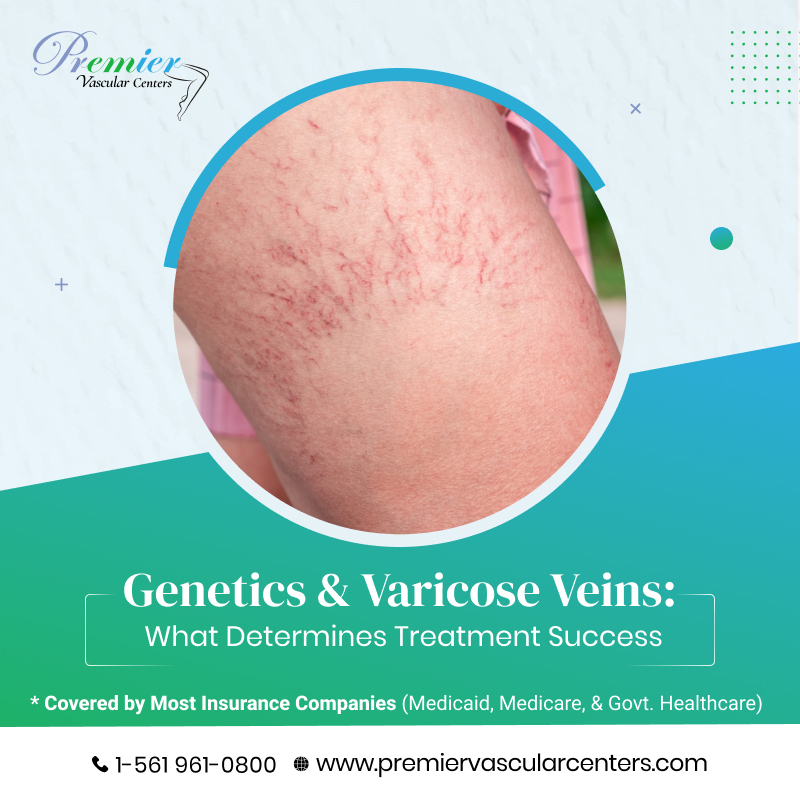
Varicose veins are considered a lifestyle disease. But the truth is that genetics have a very strong influence on how vein issues arise and how effective the treatments are. Knowing the impact of genetics can help patients have realistic goals and make informed decisions on treatment options.
If you want the best treatment for varicose veins, you should consult only reliable and accredited vascular centers. The reason is that the success is also largely dependent on the quality of the doctors and their treatments. Read this blog to know the impact of genetics on success rates.
Can Genetics Influence the Success of Varicose Vein Treatments?
Genetics influences the development of varicose veins. We all know that. However, when you get treatments for it, genetics plays a part in it too! But how exactly does it influence the success of the treatment? Let’s see.
The Genetic Foundation of Varicose Veins
Genes dictate the structure and strength of the vein walls and valves. If the valve is genetically weaker, the flow will be inefficient, and over time, the veins will dilate. Patients with a familial history of varicose veins often present with symptoms at an earlier age compared to those without such a history.
The genetic predisposition may not necessarily mean severe disease of the veins, but it does mean that there is an increased risk when combined with certain other factors such as standing for long periods, increased body weight, or hormonal changes within the body. This explains why varicosities are commonly found in families yet do not have an equal degree of severity in all members.
Why Genetics Matters in Treatment Outcomes
Varicose vein treatment focuses on closing or removing the damaged veins. Procedures such as radiofrequency ablation, compression therapy, and minimally invasive interventions directly target damaged nerves. However, genetic factors influence how the body responds to these treatments.
Patients with a strong genetic predisposition may develop new varicose veins even after successful procedures. This does not indicate treatment failure but reflects an underlying hereditary predisposition. Recognizing this pattern helps experts formulate long-term management plans rather than one-time interventions.
Genetic Influence on Healing and Recovery
Healing capacity varies among individuals because of their genetic variations. Some patients show rapid recovery who experience only mild discomfort while their condition improves. The other group of people needs multiple treatment sessions because their healing process takes longer.
Genetics establishes the biological mechanisms that control how the body handles inflammation and performs tissue repair and blood vessel restoration. These factors determine the effectiveness of vein treatments, which control how veins close and how adjacent tissues respond. Expert evaluation ensures that recovery expectations align with individual genetic profiles.
Personalized Treatment Strategies Based on Genetic Risk
Modern varicose veins treatment in Boca Raton emphasizes personalized treatment rather than standardized protocols. Specialists assess family history, symptom progression, and vein structure before recommending procedures. This comprehensive evaluation helps identify patients with high genetic risk.
For genetically predisposed individuals, treatment plans often include ongoing monitoring and preventive strategies. Lifestyle guidance, compression therapy, and periodic evaluations reduce the likelihood of recurrence. This proactive approach significantly improves long-term outcomes.
The Role of Early Intervention in Genetically Predisposed Patients
Varicose veins from genes get worse over time. Waiting to treat them lets veins grow bigger, and symptoms get worse. Early treatment stops issues and makes treatments work better. Fixing veins early means smaller procedures and quicker healing. This is key for those with a family history. Early doctor care makes genes less of a health problem.
Managing Expectations Through Expert Guidance
Individuals who have a family history of varicose veins frequently anticipate long-lasting outcomes from a single procedure. These expectations are reframed by expert care with realistic goals and medical clarity. Treatment success is measured not only by immediate results but also by long-term vein health. Patients are taught maintenance techniques and follow-up care by specialists. This openness lowers anxiety and raises satisfaction with the results of treatment. Patients are better equipped to take an active role in their care when they are aware of the impact of their genes.
Endovascular treatments can help you in this case. Know how these treatments use imaging and precision for evaluating your vein conditions from our blog here.
Conclusion
Genetics significantly shapes the development and treatment outcomes of varicose veins. It influences vein structure, healing capacity, and the likelihood of recurrence after treatment. Ignoring genetic factors can lead to unrealistic expectations and incomplete care strategies. Expert and the best treatment for varicose veins integrates genetic insights with advanced treatment techniques. This combination ensures sustainable results and long-term vein health.
Visit clinics like Premier Vascular Centers to get insurance-covered treatments. Because with personalized treatment and ongoing management, patients can achieve effective outcomes despite genetic predisposition.