
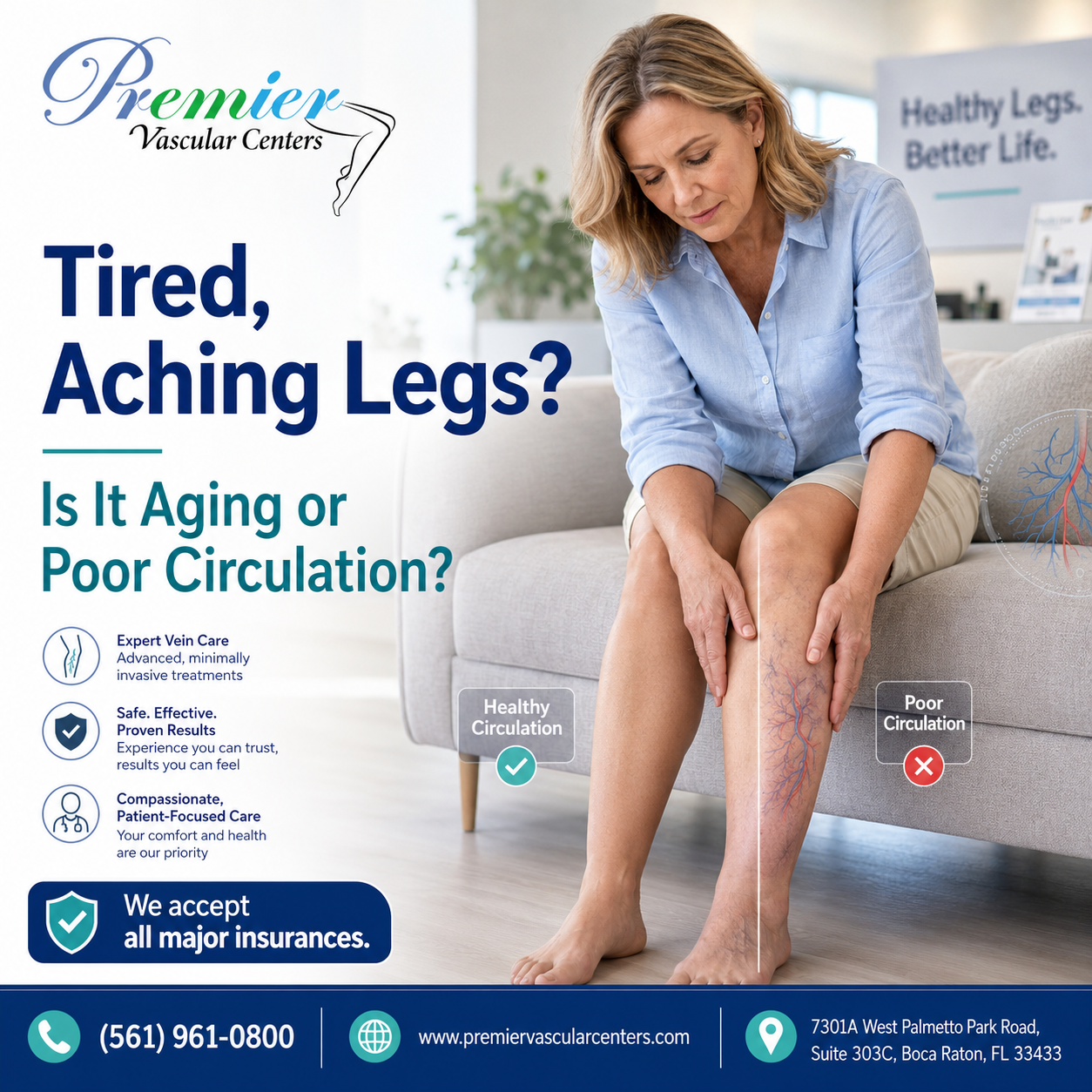
The symptoms of aging are something none of us can fight against. It usually appears in different ways. Maybe you become slower than before. Or maybe your legs cramp on longer walks. For some people, their feet feel colder than they used to.
But sometimes it seems easier to blame our age than to consider other possibilities. Many people live with circulation problems for months. Sometimes, it might even be years before they realize something more serious is going on. One such vascular problem that people often confuse with aging is Peripheral Arterial Disease, also known as PAD.
Oftentimes, delaying becomes the bigger problem. The earlier the cause is found, the sooner a patient can move toward peripheral arterial disease treatment that fits what is actually happening in their body.
Why So Many People Brush Off the Symptoms
Patients rarely describe the problem in dramatic terms. They usually say things like, “I’m getting older,” or, “My knees aren’t what they used to be.” Some think they are out of shape. Others assume they need more rest, better shoes, or a little more exercise.
This is part of why PAD is missed so often. The symptoms can look like everyday wear and tear. A walk feels harder than it should. A few blocks bring on discomfort. The legs feel off, but not in a way that immediately sends someone looking for help. Age can explain some of that. It does not explain all of it.
PAD often develops when plaque narrows the arteries and limits blood flow, especially to the legs. This reduced flow can create symptoms that feel vague at first.
When Aging Isn’t the Real Problem
The body has a way of sending quiet signals before it sends louder ones. With PAD, the legs usually speak first. You may notice:
- Calf pain when walking that eases after a short rest
- Numbness or weakness in one leg
- Cold feet, especially when one side feels colder than the other
- Skin changes, shiny skin, slow-growing toenails
- A sore on the foot that seems to take forever to heal
These signs can blend into daily life. This is how circulation problems hide in plain sight. They do not always feel urgent. They feel inconvenient, familiar, and finally, easy to ignore. The result? Patients living with PAD symptoms for a long time before they are evaluated.
This delay can happen quietly, especially when the discomfort comes and goes. By the time someone finally mentions it, they have often built their day around the problem without naming it.
Signs That Deserve Attention
Knowing your symptoms is the best way to stay ahead of the disease. Take a closer look at your symptoms and know what to look for. The symptoms may seem mild at first, but they deserve to be checked out
- Pain that starts when you walk and eases when you rest is one of the clearest signs. So is cramping in the calves, thighs, or hips that keeps showing up during activity. Cold feet, leg numbness, and weakness are worth paying attention to as well.
- Wounds that heal slowly are another red flag. A small sore on the toes, feet, or legs does not generally linger for weeks without improvement. Skin that looks shiny or changes color can also point to reduced circulation.
In the case of PAD, these symptoms will progressively get worse. If they are making you walk less, that matters too. Repeating leg pain with walking is not something to brush aside.
Explore the link between diabetes and peripheral arterial disease.
Getting Answers Starts With the Right Evaluation
The first step is not guessing. It is understanding the blood flow. A proper evaluation can show whether circulation is part of the problem. It also explains how much it is affecting daily life. That is where vascular testing comes in. It helps the care team look beyond symptoms and build a plan around the actual cause.
At Premier Vascular Centers, you get a vascular health treatment that is guided by the person in front of you, not just the symptom on paper. Our comprehensive vascular care system means that you get a clearer picture of what is happening and what can be done next.
For many people, minimally invasive options offer a practical path forward without adding more disruption to an already difficult routine.
Looking Beyond ‘Just Getting Older’
It is easy to call something normal when it has been building slowly in the background. This does not make it harmless.
Leg pain, numbness, cold feet, and wounds that do not heal can all point to PAD, especially when they keep showing up with activity. Those signs affect mobility, independence, and quality of life.
PAD is also more common with increasing age, particularly after 65. This is another reason people assume the symptoms are just part of aging. The earlier PAD is diagnosed, the better the chances of protecting your day-to-day movement and comfort become. If something feels different, do not shrug it off. A careful evaluation can bring clarity and make the peripheral arterial disease treatment journey smoother.
At Premier Vascular Centers in Boca Raton, we provide advanced care for patients who want answers, not guesswork. Plus, we accept all major insurances, ensuring that everyone can avail our treatments. If your legs have been telling you something is wrong, it may be time to listen. Schedule an appointment today and talk to a professional before waiting any longer.